
The Buildings That Will Shape Downtown’s Next Chapter
Some mornings downtown tells you exactly where it is, if you’re willing to walk slowly enough to notice. Not the big headline version of San Francisco, but the one you catch block by block: a lobby gone dark, a facade still holding its dignity, a ground floor that feels like it’s waiting for a second chance.
When I walk these streets, I’m not looking for drama. I’m looking for signals. Which buildings still have something to give, which ones are overdue for reinvention, and what they reveal about the city’s next chapter, if you know how to read them.
Walking Downtown, Looking for What Comes Next
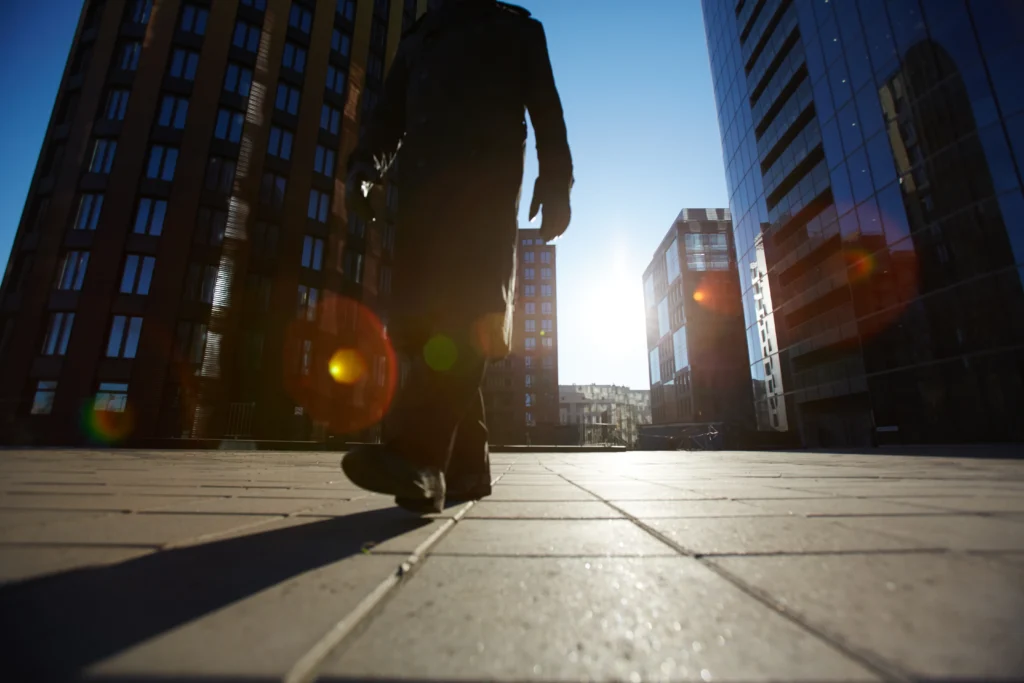
Downtown San Francisco makes more sense on foot than it does from behind a windshield or inside a market report. Walking slows the city down. It gives you time to notice where the energy still is, where it’s faded, and where a building feels like it’s caught between one life and the next.
That’s what I pay attention to when I’m downtown. Not just whether a space is occupied, but whether it still has presence. Whether it still meets the street with any conviction. Whether the structure has enough flexibility, enough dignity, and enough underlying strength to become something useful again.
San Francisco has been actively exploring adaptive reuse as part of downtown’s recovery, and that matters because it shifts the conversation from abstract optimism to physical possibility. The question is no longer whether the city should change. It already is. The real question is where that change can take hold in a meaningful way.
Related: Why the SFSU Student Center Is Shaped Like a Boat
What Downtown’s Buildings Reveal When You Slow Down
A lot of buildings “tell on themselves” if you spend enough time with them. You can see it in the windows, the lobby proportions, the ground floor, the depth of the plan, and the way the facade meets the sidewalk. Some buildings still have a pulse; others feel sealed off from the life around them.
That distinction matters. People tend to talk about vacancy like it’s a single condition, but it isn’t. As highlighted in the CBRE San Francisco Office Snapshot, the data shows a market in flux, but one empty building may be full of potential while another is so mismatched to today’s needs that bringing it back takes more than vision, it takes a complete rethinking of what it is and how it works.
This is where a builder sees things a little differently. I’m not just looking at a facade and imagining what it could be. I’m also thinking about circulation, code, light, systems, access, cost, and sequencing. I’m asking if a good idea can survive real construction conditions. That’s the difference between admiring possibility and knowing what it takes to build it.
“Architecture should speak of its time and place, but yearn for timelessness.” – Frank Gehry
That idea stays with me downtown. Reinvention only works when it feels honest to the building, honest to the block, and honest to the city around it.
Related: The Cost of Quality: Understanding Value in the Build Process
Downtown San Francisco, Between Vacancy and Reinvention
Downtown is in an “in-between” moment, and you can feel that when you walk it. Some blocks still carry the emptiness people talk about. Others feel like they’re beginning to gather themselves again. You’ll see it in a busy corner, a reopened ground floor, or a building that suddenly feels relevant because the street around it has shifted, a shift supported by new initiatives like Mayor Lurie’s legislation to accelerate downtown housing.
What interests me most is that downtown doesn’t feel finished. It feels negotiable. It feels like a part of the city still deciding what it wants to be next.
That’s why the conversation around reinvention matters so much. Not every office building should become housing. Not every older building should be repositioned. But as Gensler’s research on building conversions suggests, many have the right scale, the right bones, and the right relationship to the street to support a second life that makes the neighborhood stronger.
For owners, architects, and developers, that creates real opportunity, but only if the work is approached with discipline. Downtown does not need cosmetic answers; it needs thoughtful ones.
The Buildings Still Waiting to Become Something New
The buildings I think about most are usually not the flashy ones. They’re the quieter structures halfway down the block. The ones with good proportions, decent material character, and just enough wear to remind you they’ve been through a few versions of the city already.
Sometimes those are the most promising buildings because they haven’t lost everything. They may have outdated interiors or underperforming ground floors, but they still hold themselves well. They still have a kind of architectural self-respect. And that matters more than people think.
A building does not need to be perfect to be worth saving. It needs a reason to be reconsidered. It needs a structure that can support change, and it needs a team that knows how to work with what’s there instead of fighting it at every turn. That, to me, is where design and construction really meet, not in theory, but in the practical question of whether the future you imagine for a building can actually be carried by its bones.
What a Builder Notices on a Walk Through Downtown
What I tend to notice first is rhythm. The spacing of windows. The cadence of structural bays. The thickness of materials. Whether a building still knows how to engage a person walking past it.
I also notice where care once lived. A recessed entry. A clean stone line. A metal detail that has held up better than expected. A storefront proportion that still feels right even if the tenant is long gone. Those details tell you something important: they tell you the building was once made with intention, and intention has a way of lasting longer than trends.
That’s part of what makes walking downtown so valuable to me. It reminds me that the built environment is never just about use. It’s also about memory, character, proportion, and the feeling a place leaves behind.
“Study nature, love nature, stay close to nature.” – Frank Lloyd Wright
To me, that applies to city streets too. Pay attention to how people move, where they gather, what they avoid, and what quietly draws them in. Good building starts there.
On Foot in a City Learning How to Change
From what I see, downtown is not a place in decline so much as a place in transition. That’s different. One suggests finality; the other suggests possibility.
San Francisco is still figuring out what downtown should be now, and that kind of uncertainty can either create hesitation or create room for good work. I tend to believe it creates room. Room for better uses, better buildings, better ground floors, and a better alignment between design intention and what people actually need from a city.
That’s where Frontside Construction feels most at home, in the gap between an idea and a built reality. Whether we are providing Pre-Construction services to de-risk a complex adaptive reuse project, acting as Construction Managers to navigate the logistical maze of downtown, or serving as the General Contractor to execute a high-end repositioning, our goal is the same: helping a vision find its footing in the real world.
If you’re thinking about reimagining a space, repositioning a property, or building with more clarity from the start, explore our Services, learn more About Frontside Construction, or Contact us.