
Why the SFSU Student Center Is Shaped Like a Boat
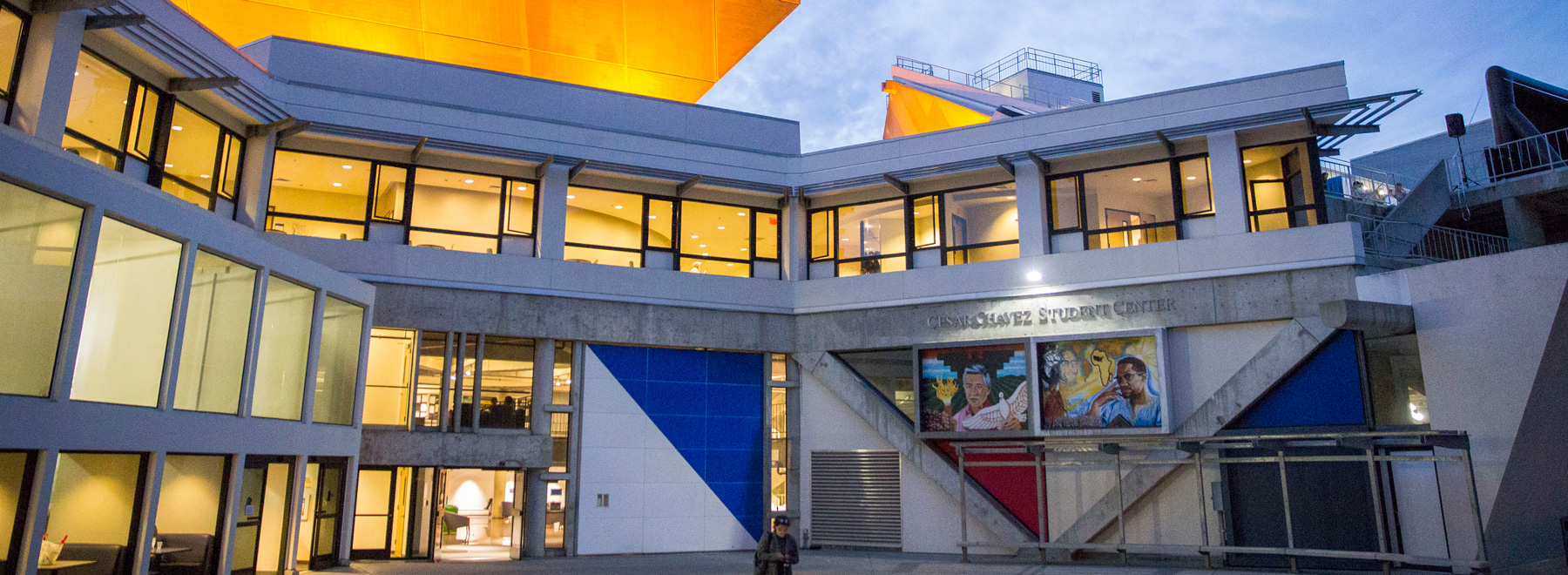
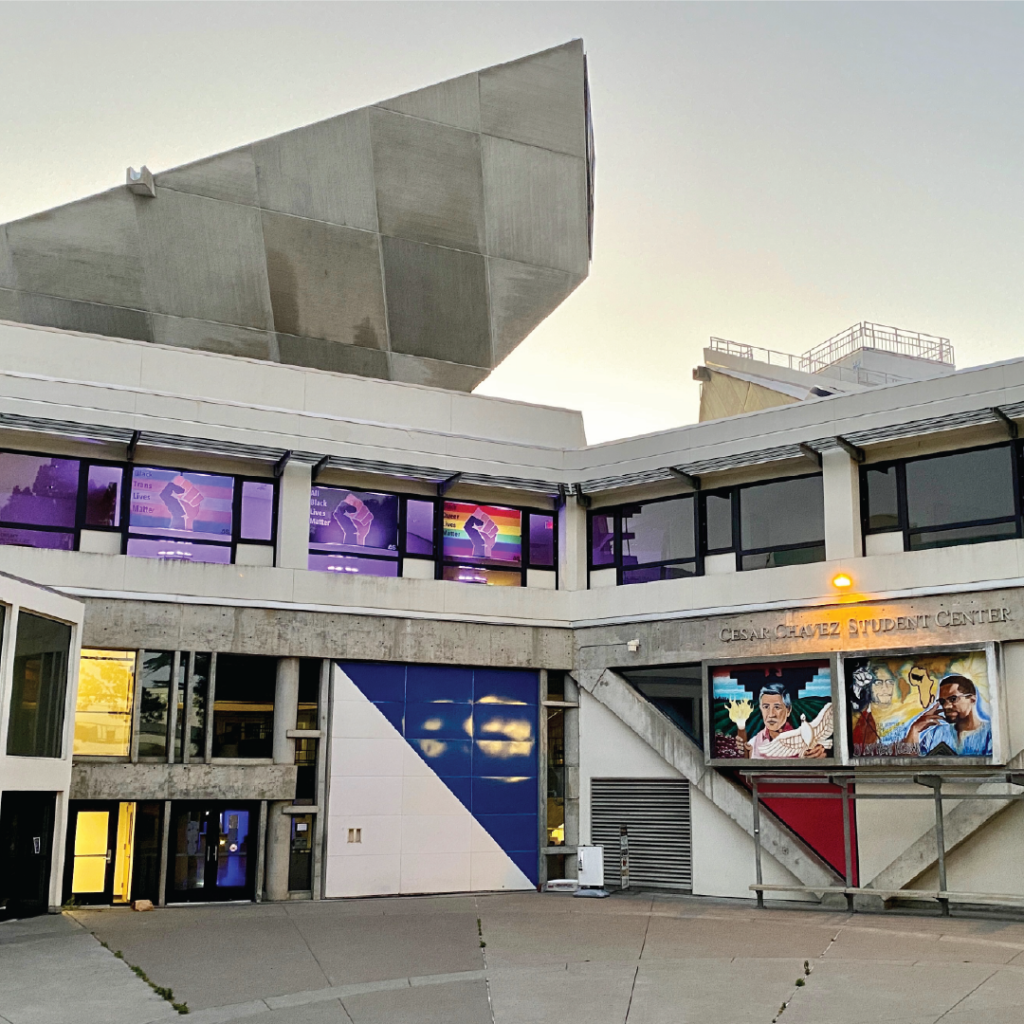
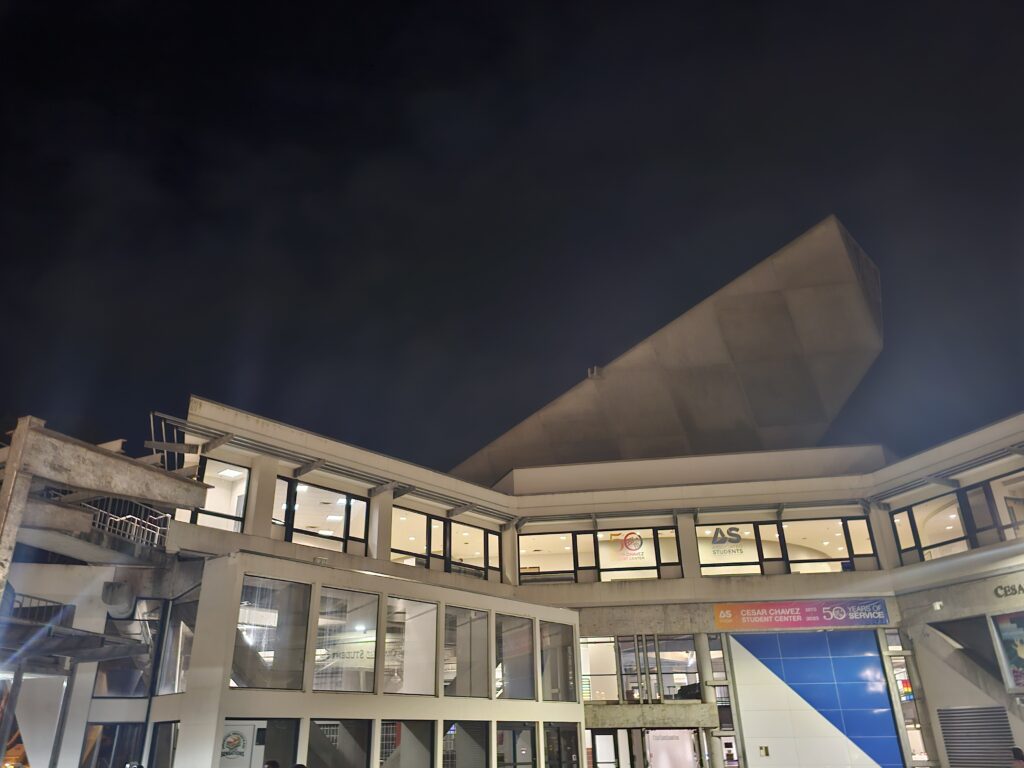
I’ve walked this route through SFSU countless times, and my initial impression of the building is somewhat instinctual for many people coming to school or work at the university on a daily basis and walking past it countless times without looking up – the San Francisco State University Student Center appears almost like a boat moving through the water from afar. But behind the Student Center’s physical form lies a story that reveals a deeper understanding of how architecture expresses an identity, a dynamic activity, and a purposeful function. The Student Center teaches builders like myself that the shape of a building represents much more than its physical appearance. Its shape represents a narrative of its community’s message.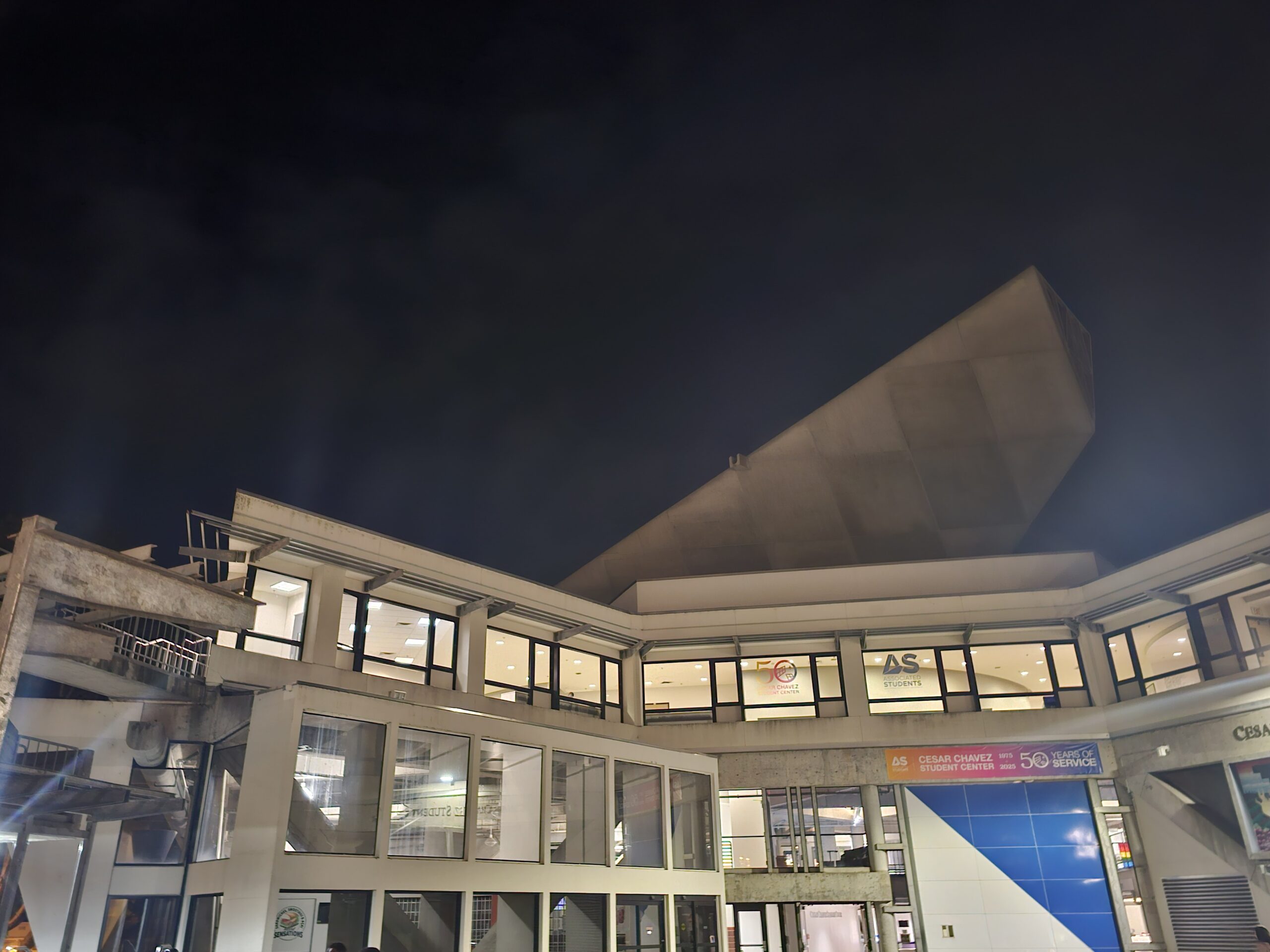
A Building Shaped Like a Boat And Why That Matters
The Architects of the Student Center during the 1970s wanted to create a place that resembled motion, just like boats represent group movement. In the words of Architect Le Corbusier, “A house is a machine for living in.” While the Student Center isn’t a house, it serves as a vehicle to carry students through their social lives by providing a central location for interaction between students and staff. By modeling its design after the way boats help people find their way, the Student Center will help you navigate through campus and connect the different floors of the building while providing places where groups of people can gather naturally.
Movement, Flow, and the Architecture of Community
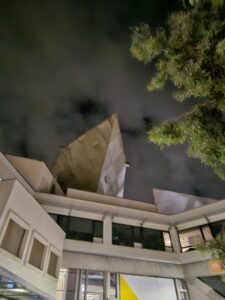 Though I find brutalist design to be cold, the physical form of the Student Center is not only aesthetically pleasing but also surprisingly warm and carefully designed to affect how people interact with the space:
- The forward-leaning profile of the building creates an illusion of momentum.
- The stacked levels of the building mimic the decks of a ship or boat commonly found in a public space.
- The curves on the outside of the building, rather than straight lines, provide smoothness and soften the massing of a structure within a grid layout on a campus.
“I want to create simplicity but also want to create depth”. – Tadao Ando
The Student Center has simple yet rich curves with a strong emphasis on functionality. What makes this so relevant is that this is the type of idea that is currently at the top of the list for many technology, building & design – build firms in the San Francisco Bay Area: the focus on creating intuitively flowing, human-centered space.
What Complex Forms Teach Builders About Real-World Execution
Boat-shaped structures or any other curved shapes, require a high level of building fluency. In building curved shapes builders have a few things to keep in mind:
- Precision in Layout & Framing
Since every point along a curve must be precise, all builders employ advanced layout and framing tools and techniques that use digital models or series of levels for maintaining precision across the entire arc.
- Versatile Material Options
Utilizing different types of flexible, layered, and composite façade materials allows for structural performance of the curves without sacrificing their ability to withstand adverse weather or long-term durability.
- A need for Collaboration Between Architects and Builders
Complex building design cannot be executed if the contractor does not fully understand the designer’s goals, and would like to see both companies collaborate on how to build a great curved design. Glenn Rodgers, founder of Frontside Construction, San Francisco, puts it this way:
“Good construction should feel effortless when it’s done right.”
The Student Center embodies that principle: a form that looks seamless because the work behind it is anything but simple.
Why This Design Philosophy Matters Beyond Public Buildings
You don’t need to visit a university campus or a major civic project to understand the value of the building’s design concepts. You’re seeing these same types of structures being built into new homes all over the Bay Area:
- Stairs with soft curves
- Rounded plaster corners
- Curved wall sections
- Curved facades
- Open, fluid floor plans
All of these features create an exaggerated sense of motion within the building and are similar to the way the Student Center has used its building design to direct traffic through the building. Zaha Hadid said, “There are 360 degrees, so why have a limit?” As she pointed out, curves create unlimited opportunities to create unique and exciting ways to design and organize a space, as well as to maximize comfort and flow within that space.
Having a general contractor with a designer’s mindset, who has the ability to understand how these two aspects of design/creation work together are able to turn a project’s vision or concept into a fully constructed finished space that feels natural and expressive.
Shaping Space With Intention: What the SFSU Student Center Teaches Us
The SFSU Student Center isn’t simply an architectural character. It serves as a vehicle to demonstrate how buildings can be functional and how cultural identity can be reflected by a structure, how to create experiences for individuals, and how to create a pathway for communities.
There are three groups involved in the creation of the SFSU Student Center: Design professionals, construction professionals, and developers.
The best results occur when designers and builders realize that every design decision should be based on the end users of the area. With this understanding, all three players can work collaboratively to develop expressive forms and provide a clear avenue for how to create and implement those ideas.
Architects, developers, and homeowners need to understand that great design cannot be seen; rather, great design is experienced. When executed well, design creates an experience of flow that lasts beyond the date of construction.